A Restorative Justice Project
Creating safe spaces for healing.
Healing Beyond Harm
We aim to restore the safety and empowerment of people who were harmed and the people who caused the harm.
Healing Beyond Harm is a restorative justice pilot project launched in partnership with municipal agencies and the community.
Healing Beyond Harm invests in the emotional and mental well-being of people through a restorative and trauma-informed approach to healing.
A restorative sense of well-being can help people reach their full potential, which benefits all of society.

Why Restorative Justice?
Restorative Justice has deep roots in indigenous peacemaking. This community-led philosophy promotes direct accountability for harm through conflict resolution and healing.
Through restorative justice, Healing Beyond Harm strives to:
- Restore the balance that was disrupted by the harm.
- Involve the crime survivor(s), the person who inflicted the harm, and the affected community.
- Engage these primary stakeholders in the decision-making to restore the balance.
How Healing Beyond Harm Works
Healing Beyond Harm involves two trauma-informed restorative elements:
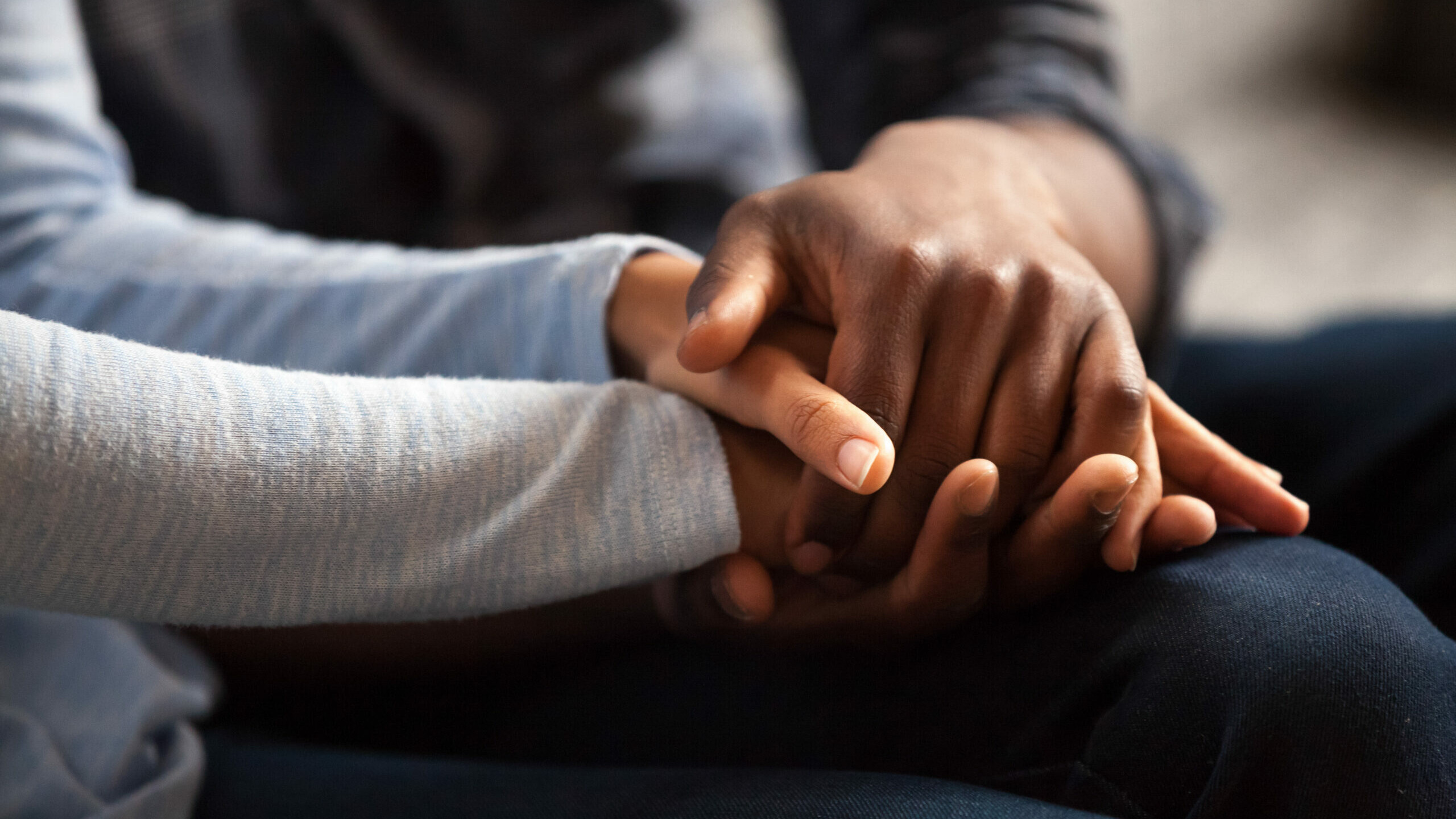
A Harm Dialogue focuses on the crime’s impact through a face-to-face interactive conference between the crime survivor(s) and the person who caused the harm.

An Apology Letter Bank promotes meaningful healing by allowing an incarcerated person, or a person who caused harm, to write a letter of apology to the crime survivor(s).
A National Movement to Repair Harm
Illinois joins 13 other states in using facilitated trauma-informed restorative processes and workshops to create apology letters by people who have harmed others.
In partnership with crime survivor community advocates, Healing Beyond Harm provides support and capacity-building experiences for survivors of harm.
Quotes from Participants / Recipients
“For far too long we, the incarcerated population of Illinois, have not been permitted to participate in any restorative healing processes with our survivors that might help to mitigate the harms we’ve caused them. I sought to do this in the past, but there was no official vehicle for me to do so. I earnestly feel that without any such vehicle, survivors are being robbed out of the opportunity to heal as completely as they possibly could. I believe that this is not only harmful to them, but to us as well. This program has done much to remedy that, and has done so much more as well.”
- Program Participant
“I am old now. And I forgive the man who killed my grandchild. I am pleased that he has changed, and that his heart is set on doing good things in the world.”
- Healing Beyond Harm Letter Recipient
Illinois Department of Corrections Pilot Sites
During the pilot we invite people from two institutions to participate in transformational trauma healing workshops. This is the first step to promoting a greater sense of well-being for the people harmed by their crimes.
Stateville Correctional Center
Crest Hill, IL
Logan Correctional Center
Lincoln, IL
Restorative Justice Pilot Partners
Justice, Equity, and Opportunity Initiative
Prisoner Review Board Victim Services Unit
Illinois Department of Corrections
Cook County State’s Attorney’s Office Victim Services Unit

The Institute on Public Safety and Social Justiceat Adler University